Blocked drains are one of those household problems that always seem to happen at the worst possible moment. Sunday evening, just as you are about to serve dinner, the kitchen sink blockage shows itself with a slow gurgle and water that refuses to go down. Or you step outside after a heavy downpour and find your outdoor drain flooded, with standing water creeping across the patio. The first thought that usually comes to mind is how much this is going to cost. The good news is that affordable drain unblocking is not just a myth. With some basic know-how and a bit of practical judgment, you can often sort things out yourself or at least know when to call in a professional.
For many homeowners across Essex, London, and the M25 area, the fear of a high callout fee is what stops them from getting help early. They wait until the problem has become a full sewer blockage or a backed-up toilet before they finally pick up the phone. By then, the job is bigger and more expensive than it needed to be. Understanding how drains work, what causes blockages, and what you can safely do yourself is the key to keeping costs down without cutting corners on quality.
Why Drains Block and What You Can Spot Yourself
Most blockages build up slowly. A bit of grease here, a few food scraps there, some hair, and maybe a stray piece of soap that never quite dissolves. In outdoor drains, leaves and silt collect in the rainwater gully, and over time, root ingress from nearby trees can crack pipes and fill them with a mass of fine roots. The classic signs are easy to spot: water draining slowly, a strange smell from the plughole, or the sound of gurgling when you flush the toilet. If you catch these signs early, you may be able to resolve the issue with basic tools before it becomes a full emergency.
One of the simplest and most affordable drain unblocking methods is using a drain snake. A drain snake is a long, flexible coil of wire with a handle on one end and a small auger on the other. You feed it into the pipe until you feel resistance, then crank the handle to break through the clog. For a kitchen sink blockage caused by congealed fat or a piece of food, this often does the trick. It requires a bit of patience but no chemical products and no callout fee. Just be careful not to push the snake too hard, especially in older pipes, as you can damage joints.
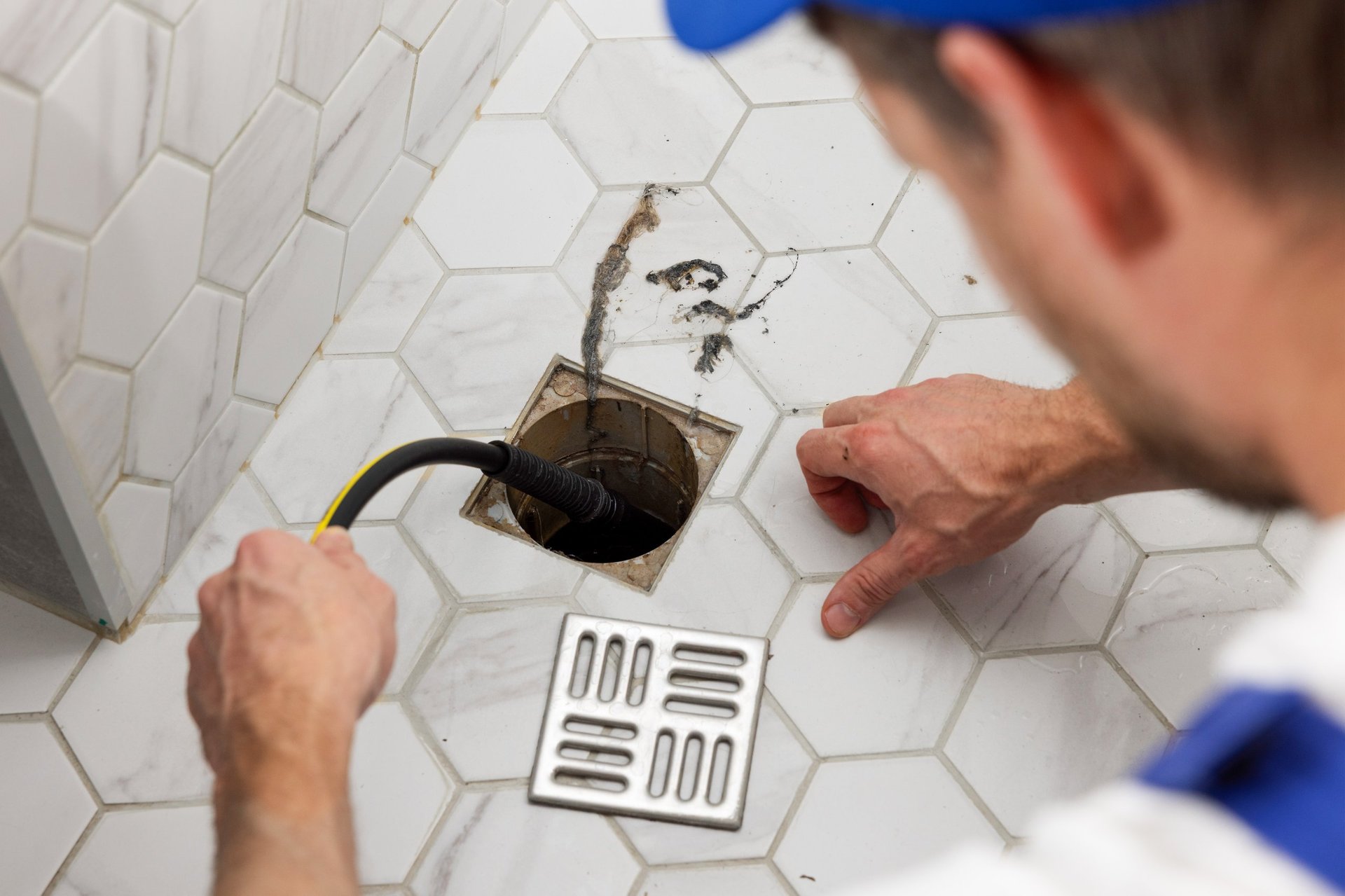
If the blockage is deeper or the pipe is shared with neighbours, a drain snake might not reach far enough. In that case, drain rodding is the next step. Rods are rigid sections that screw together, allowing you to push through longer stretches of pipe. They work well for outdoor drains and manhole cover access points. You can buy a basic set from any hardware shop for a modest price, and with a little practice, you can clear a lot of common blockages yourself. The trick is to twist the rods as you push, which helps the end fitting hook onto the obstruction.
When the Blockage Is Stubborn: Understanding Your Options
Not every blockage yields to a snake or rods. Fatberg removal, for example, is a different beast entirely. A fatberg is a massive congealed mass of cooking oil, wet wipes, and other non-flushable items that can fill an entire pipe. If you have a fatberg, you need professional help, and that is where hydro-jetting or high-pressure water jetting comes in. A professional service uses a powerful jet of water to scour the inside of the pipe and break up the fatberg. This is not a DIY job, but knowing about it means you won't waste time trying to fix something that requires specialist gear.
Another scenario where professional help is worth every penny is when you suspect a cracked or collapsed pipe. If you have root ingress that has pushed through a joint, the roots will keep growing back unless the pipe is repaired. A CCTV drain survey is the standard way to find out what is happening underground. A small camera is fed through the pipe, and the operator can see exactly where the problem is, how bad it is, and what the best repair method would be. A CCTV drain survey might sound like an extra expense, but it can actually save you money in the long run. Without it, you might dig up the wrong section of your garden or pay for a fix that doesn't address the real issue.
For a blocked toilet, the problem is often simpler than you think. If the toilet is backing up but the sink and shower drain fine, the blockage is usually in the toilet's own waste pipe or the soil stack. A good plunger designed for toilets can often clear it. If that doesn't work, a closet auger (a type of drain snake with a protective sleeve) can reach around the trap. Avoid chemical drain cleaners here, as they can damage the porcelain and the wax ring seal. If the blockage is below the toilet flange, you may need to remove the toilet to access the pipe, which is a job for a professional unless you are handy with plumbing.
Preventive Habits That Keep Drains Clear
The most affordable drain unblocking strategy is prevention. A little awareness goes a long way. In the kitchen, scrape plates into the bin before rinsing them over the sink. Use a sink strainer to catch rice, pasta, and coffee grounds. Never pour cooking oil down the sink. Instead, let it cool and put it into a sealed container for disposal or recycling. In the bathroom, use a hair catcher in the shower drain and clean it out every week. These small habits reduce the amount of debris that builds up inside your pipes over months and years.
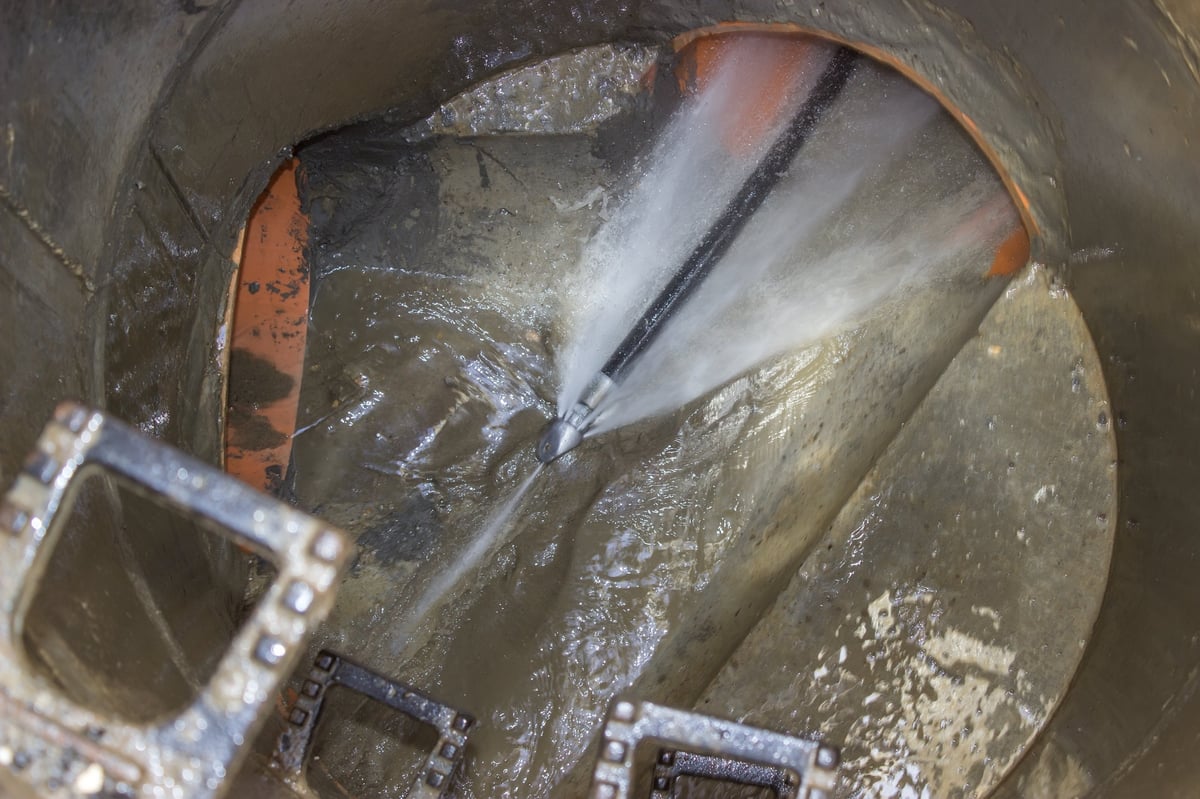
For outdoor drains, check your rainwater gully a few times a year, especially after autumn when leaves have fallen. Lift the manhole cover carefully and look inside. If you see standing water or debris, clear it out by hand or with a small trowel. A blocked outdoor drain can lead to flooding around your house, which is a much bigger problem than a slow sink. Root ingress is harder to prevent, but you can reduce the risk by not planting fast-growing trees like willow or poplar near your drainage pipes. If you already have trees nearby, consider having a drain inspection done every couple of years to catch root problems before they cause a full blockage.
Many people ask whether they should use chemical drain cleaners. My honest answer is that they are rarely the best solution. They can be effective on organic blockages like hair and soap scum, but they are harsh on pipes, especially if you have older metal or cast iron drains. They also kill the beneficial bacteria that help break down waste in septic systems. For most household blockages, mechanical methods like a drain snake or rods are safer and more reliable. If you do use a chemical cleaner, use it sparingly and only as a last resort.
Knowing When to Call a Professional
There is a clear line between a blockage you can handle yourself and one that needs professional equipment. If you have tried a drain snake and rods, and the water still won't drain, or if the blockage is in a shared sewer line, it is time to call an expert. A sewer blockage can affect your neighbours and may require coordination with the local water authority. Trying to force it yourself could damage the pipe and make the situation worse.
Emergency drainage services are available across Essex, London, and the M25 area, and many companies offer no callout fee, which makes calling them more affordable than you might think. When you compare the cost of a callout to the potential damage from a flooded kitchen or a backed-up toilet, the professional option often pays for itself. Just make sure you ask whether the quoted price includes the use of high-pressure water jetting or a CCTV drain survey, as these services are sometimes charged separately.
I have seen too many homeowners wait until a minor kitchen sink blockage turns into a full sewer blockage that requires a dig-up and pipe replacement. That is the expensive end of the scale. If you act early and use the right tool for the job, you can keep your drains flowing without breaking the bank. Affordable drain unblocking is about making smart choices: knowing which blockages you can clear yourself, when to call a professional, and how to prevent problems before they start.
The bottom line is that a blocked drain does not have to be a disaster. With a few basic tools, some common sense, and a willingness to learn, you can handle most routine blockages yourself. And when you cannot, professional help is more accessible and more affordable than many people realise. Whether you live in a terrace house in London or a detached property in Essex, the principles are the same. Keep your drains clear, act early, and don't be afraid to ask for help when you need it.